logo

블로그 약 Study Explores Structural Steel Properties for Engineering

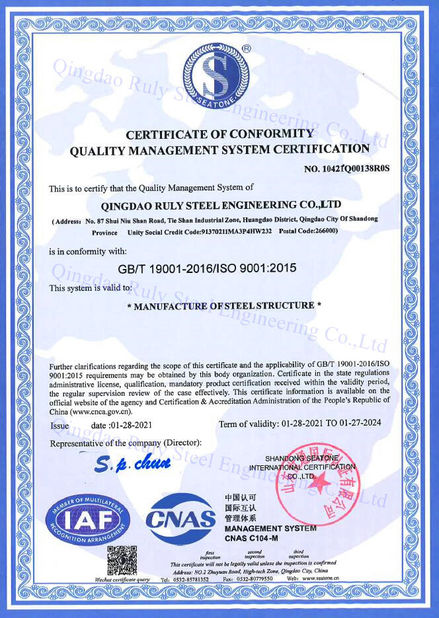
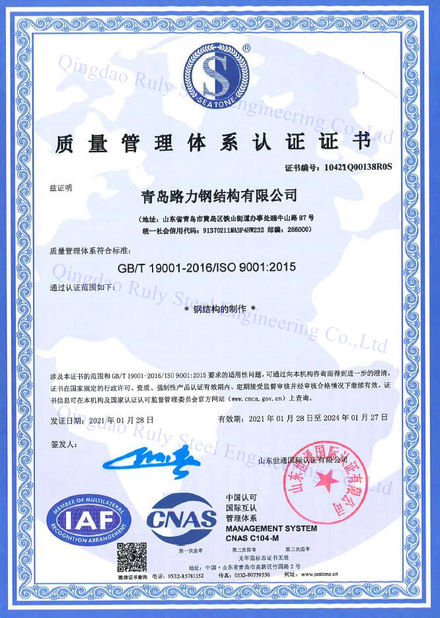
인증
중국 Qingdao Ruly Steel Engineering Co.,Ltd 인증
고객 검토
솔직히 말해서 나는 처음부터 강철 구조물에 이렇게 익숙하지 않습니다, 그러나 그들은 저에게 완벽한 저가 나의 프로젝트, 좋은 일, Ruly 강철을 완료할 것을 돕도록 계획안을 줍니다

—— 마이크 Guioguio

배달 시간은 빠르고, 아주 중요합니다: 제품 항상 보내진 경기 순서. 나는 나가 그(것)들에 결코 실망되지 않았기 것은 때문에 그(것)들을 신뢰합니다.

—— Mae Cena

이 상호적인 협력은 대략 4 년간 지속되고, 그들이 제공하는 서비스가 예상하는의 위 있다는 것을 승인해야 합니다.

—— 테리 Shepley

제가 지금 온라인 채팅 해요
회사 블로그
Study Explores Structural Steel Properties for Engineering
에 대한 최신 회사 뉴스 Study Explores Structural Steel Properties for Engineering

Imagine skyscrapers, bridges, and even the vehicles we use daily - their safety and reliability all depend on the exceptional mechanical properties of structural steel. Understanding these key properties is essential for ensuring fail-safe engineering projects.

This comprehensive guide explores the fundamental mechanical properties of structural steel that engineers must consider when designing structures, selecting materials, and implementing quality control measures.

1. Yield Strength: The Foundation of Safety

Yield strength represents the stress level at which steel begins permanent deformation. This crucial measurement determines a material's resistance to plastic deformation. Structural engineers must ensure that materials maintain their shape under design loads, making yield strength the primary consideration for structural safety.

2. Tensile Strength: Maximum Load Capacity

Tensile strength indicates the maximum stress steel can withstand before fracture. This property directly relates to a structure's ultimate load-bearing capacity. Engineers rely on tensile strength data when designing structures that may encounter extreme conditions such as earthquakes or hurricane-force winds.

3. Elongation: The Measure of Ductility

Elongation percentage measures how much plastic deformation steel can undergo before breaking. High elongation values indicate superior ductility, allowing materials to absorb impact energy and prevent brittle fractures. This property proves particularly vital for critical infrastructure like bridges and high-rise buildings where seismic performance is paramount.

4. Elastic Modulus: The Standard of Stiffness

The elastic modulus quantifies a material's stiffness by measuring its resistance to elastic deformation. Higher values mean less deformation under load, ensuring structural stability and functionality. Precision equipment and high-accuracy machinery often require steel with elevated elastic modulus values to maintain geometric integrity during operation.

5. Impact Toughness: Resistance to Sudden Forces

Impact toughness describes a material's ability to withstand sudden shock loads. This property becomes critically important for structures like bridges and vehicles that may experience accidental impacts. Selecting steel with excellent impact toughness significantly reduces the risk of catastrophic failure from unexpected collisions.

6. Fatigue Strength: Endurance Under Cyclic Loading

Fatigue strength determines how well steel resists fracture under repeated loading cycles. For structures like bridges and cranes that endure constant cyclic stresses, fatigue strength directly influences service life. Engineers must select appropriate materials and implement anti-fatigue designs to ensure long-term structural integrity.

Mastering these key mechanical properties enables engineering professionals to make scientifically sound decisions that enhance structural safety, ensure project quality, and ultimately guarantee successful project completion.

선술집 시간 : 2026-02-10 00:00:00 >> 블로그 목록
연락처 세부 사항
Qingdao Ruly Steel Engineering Co.,Ltd

담당자: Mr. steven

전화 번호: 0086-18661691560

회사에 직접 문의 보내기 (0 / 3000)